
Continuous learning and self-development are essential in today’s fast-paced world. A skill improvement guide helps individuals enhance their abilities, stay competitive, and achieve personal or professional goals. Whether you want to improve soft skills, technical expertise, or creative talents, following a structured approach makes the process more effective.
This guide provides actionable steps, practical tips, and strategies to help you improve your skills efficiently.
What Is a Skill Improvement Guide?
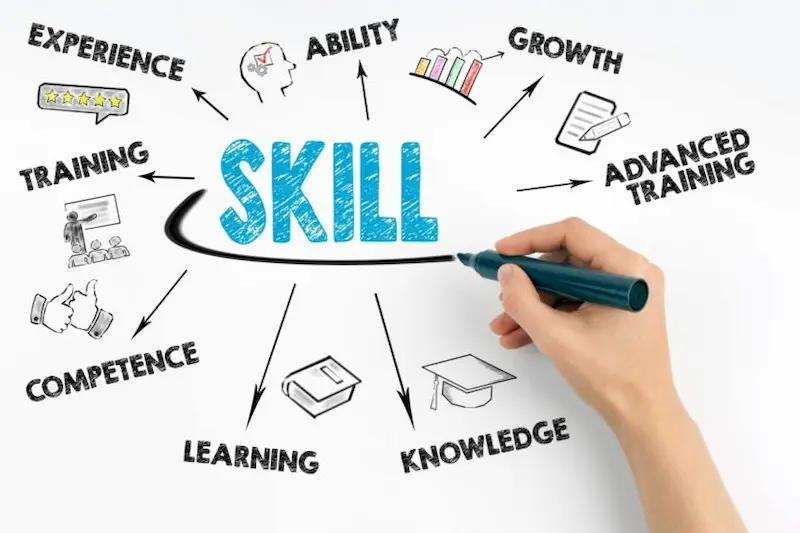
A skill improvement guide is a structured roadmap that outlines methods, techniques, and best practices to enhance your abilities in a specific area. It can cover:
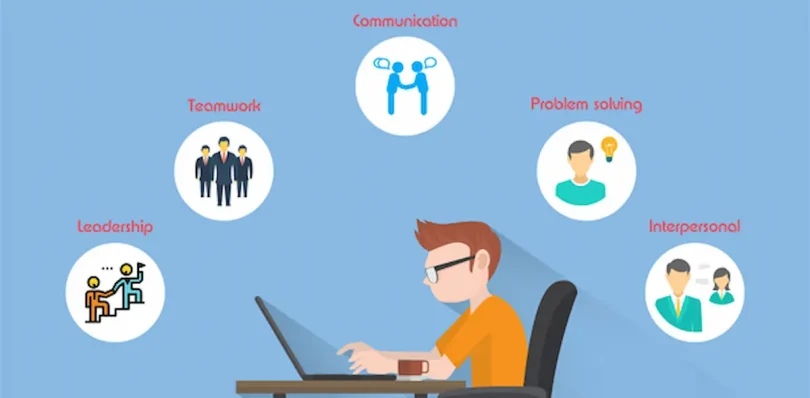
- Professional skills (e.g., communication, leadership, problem-solving)
- Technical skills (e.g., coding, data analysis, digital marketing)
- Creative skills (e.g., writing, designing, music)
- Life skills (e.g., time management, critical thinking, emotional intelligence)
The purpose is to provide a clear path to progress systematically while avoiding common mistakes.
Steps to Improve Your Skills

1. Identify the Skills You Want to Improve
Start by listing the skills that are most important for your personal or professional growth. Consider:
- Strengths and weaknesses
- Skills required for career advancement
- Interests and passions
Focusing on the right skills ensures your efforts are productive.
2. Set Clear and Measurable Goals
Set specific, measurable, achievable, relevant, and time-bound (SMART) goals. For example:
- Learn Python basics in 3 months
- Improve public speaking by giving 5 presentations
- Master Excel formulas within 4 weeks
Goals help track progress and maintain motivation.
3. Create a Structured Learning Plan
Develop a step-by-step plan to practice and study your chosen skills:
- Break skills into smaller sub-skills
- Allocate daily or weekly time for practice
- Use multiple resources like online courses, books, and tutorials
A structured plan keeps you focused and consistent.
4. Use Multiple Learning Methods
Combine different approaches to maximize skill retention:
- Visual Learning: Videos, diagrams, and infographics
- Hands-On Practice: Real-life exercises and projects
- Reading and Research: Books, articles, and case studies
- Peer Learning: Join study groups or forums to exchange knowledge
Varied learning methods make skill improvement more engaging and effective.
5. Practice Consistently
Regular practice is key to skill development. Follow these tips:
- Dedicate fixed daily or weekly practice time
- Focus on quality, not just quantity
- Review and refine previous learning
- Track progress to identify areas needing improvement
Consistency ensures steady growth over time.
6. Seek Feedback and Mentorship
Feedback helps identify blind spots and accelerates improvement:
- Ask mentors or experts for constructive feedback
- Join online communities or local workshops
- Review work critically to find areas for enhancement
Mentorship provides guidance and motivates you to stay on track.
7. Measure Progress and Adjust
Regularly assess your skill level:
- Take tests, quizzes, or practical challenges
- Reflect on achievements and areas that need more focus
- Adjust your learning plan based on progress
Monitoring ensures continuous improvement and keeps you aligned with your goals.
8. Stay Motivated and Overcome Challenges
Skill development can be challenging. Stay motivated by:
- Celebrating small wins
- Breaking tasks into manageable steps
- Maintaining a positive mindset
- Surrounding yourself with supportive peers
Persistence and resilience are crucial for long-term success.
You may also like to read this:
Simple Study Techniques To Learn Faster And Smarter
Skill Development For Beginners | Learn Skills From Scratch
Basic Skill Development Tips: Easy Guide For Beginners
Learn New Skills Easily – Proven Tips For Fast Learning
Skill Building for Students: Essential Guide to Success
Benefits of Following a Skill Improvement Guide
- Enhanced Career Opportunities: Skills increase employability and promotion potential.
- Increased Confidence: Mastery of skills boosts self-assurance.
- Greater Productivity: Efficient skills improve performance and time management.
- Personal Growth: Learning new abilities keeps your mind sharp and adaptable.
- Competitive Advantage: Staying updated gives an edge in professional and personal life.
Conclusion
A skill improvement guide is an essential tool for anyone looking to enhance their abilities systematically. By setting clear goals, following a structured plan, practicing consistently, seeking feedback, and staying motivated, you can achieve meaningful progress in any skill.
Skill development is a lifelong journey, and using a step-by-step approach ensures that you grow steadily, efficiently, and confidently.
FAQs
1. What is a skill improvement guide?
It is a structured roadmap to systematically enhance personal, professional, or technical abilities.
2. How long does it take to improve a skill?
Time varies depending on the complexity of the skill and consistency of practice.
3. Can I improve multiple skills at once?
Yes, but focus on a few skills at a time for better results.
4. Do I need a mentor for skill improvement?
Mentorship is helpful but not mandatory; feedback from peers or self-assessment also works.
5. Are online resources enough for skill improvement?
Yes, combining online courses, tutorials, and hands-on practice is often highly effective.