
Personal skill development is the process of improving yourself in small but meaningful ways so you can live a better, more confident, and more successful life. It’s not about becoming perfect or competing with others.
It’s about understanding yourself, learning new abilities, and growing a little every day. Let’s talk about it in a simple, friendly way—just like one person guiding another.
What Is Personal Skill Development?
At its core, personal skill development means working on the skills that shape who you are and how you live your life. These skills influence how you think, how you communicate, how you manage your time, and how you handle challenges.
Personal skill development is not limited to professional growth. It includes personal habits, emotional control, confidence, decision-making, and learning ability. Whether you are a student, a working professional, or someone simply trying to improve life, personal skill development is for everyone.
Why Personal Skill Development Is So Important
You might ask, “Why should I invest time in personal skill development?” The answer is simple—it improves every area of your life.
Here’s how personal skill development helps you:
- It builds self-confidence and self-awareness
- It helps you adapt to change more easily
- It improves your communication and relationships
- It makes you more disciplined and focused
- It opens better career and learning opportunities
When you focus on personal skill development, you start feeling more in control of your actions and decisions.
Major Areas of Personal Skill Development
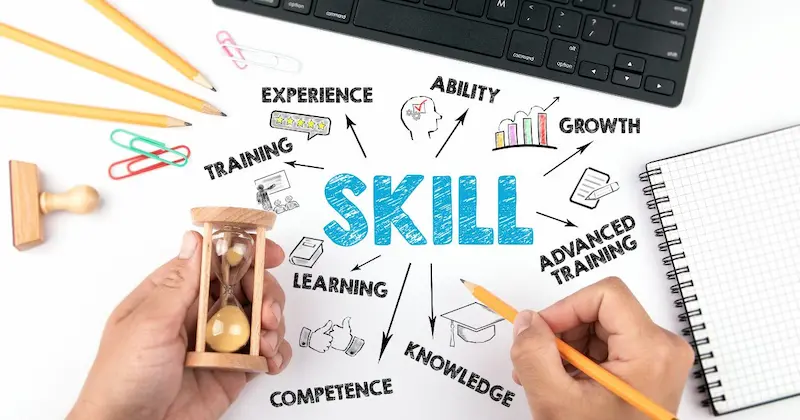
Personal skill development includes several key areas. Let’s break them down in detail so you can clearly understand what to focus on.
1. Communication Skills
Communication is one of the most important parts of personal skill development. It affects how you talk, listen, write, and express your thoughts.
Good communication skills help you:
- Share ideas clearly
- Build strong relationships
- Avoid misunderstandings
- Feel confident while speaking
You can improve communication by practicing active listening, speaking calmly, reading regularly, and expressing your thoughts honestly.
2. Time Management Skills
Time management is a core part of personal skill development. Many people feel stressed simply because they don’t manage their time well.
Improving time management helps you:
- Complete tasks on time
- Reduce stress
- Balance work and personal life
- Stay organized
Simple habits like planning your day, setting priorities, and avoiding distractions can make a huge difference.
3. Self-Confidence and Self-Belief
Confidence is not something you’re born with—it’s something you build. Personal skill development focuses heavily on improving self-confidence.
You can build confidence by:
- Setting small, achievable goals
- Celebrating progress, not perfection
- Learning from mistakes instead of fearing them
- Speaking kindly to yourself
As your skills grow, your confidence naturally improves.
4. Emotional Intelligence
Emotional intelligence means understanding and managing your emotions. This is a very important part of personal skill development.
Strong emotional skills help you:
- Stay calm in stressful situations
- Control anger and frustration
- Understand others’ feelings
- Make better decisions
You can develop emotional intelligence by observing your reactions, practicing patience, and learning healthy ways to express emotions.
5. Learning and Thinking Skills
Personal skill development also includes improving how you think and learn. This means staying curious and open to new ideas.
These skills help you:
- Solve problems effectively
- Adapt to new situations
- Learn faster and smarter
- Think creatively
Reading, asking questions, and trying new things regularly can strengthen these skills.
6. Discipline and Consistency
Discipline is the bridge between goals and results. Personal skill development requires consistency more than motivation.
Discipline helps you:
- Stick to habits
- Complete tasks even when you don’t feel like it
- Stay focused on long-term goals
Start with small habits and repeat them daily. Consistency builds discipline over time.
How to Start Personal Skill Development (Practical Steps)
You don’t need expensive courses or long hours. Personal skill development can start with simple actions.
Here are some easy steps:
- Choose one skill to improve at a time
- Set realistic and clear goals
- Practice daily, even for 10–15 minutes
- Reflect on what you learned each day
- Be patient with your progress
Small efforts done consistently lead to big results.
Common Challenges in Personal Skill Development
Everyone faces challenges while working on personal skill development. Knowing them helps you overcome them.
Common challenges include:
- Lack of motivation
- Fear of failure
- Comparing yourself to others
- Expecting quick results
Remember, growth is slow but steady. Don’t give up just because progress feels small.
You may also like to read this:
Skill Development For Beginners | Learn Skills From Scratch
Basic Skill Development Tips: Easy Guide For Beginners
Learn New Skills Easily – Proven Tips For Fast Learning
Skill Building for Students: Essential Guide to Success
Skill Improvement Guide: Boost Your Abilities Effectively
How Personal Skill Development Improves Your Life
When you stay committed to personal skill development, positive changes start appearing naturally.
You may notice:
- Improved confidence
- Better communication
- Stronger decision-making
- Reduced stress
- Clearer goals and direction
These improvements don’t happen overnight, but they last long.
Final Thoughts
Personal skill development is a lifelong journey, not a destination. You don’t need to change everything at once. Just start with one small habit, one small skill, and build from there. Be kind to yourself, stay consistent, and keep learning.
If you focus on personal skill development daily, even in simple ways, you’ll slowly become a more confident, capable, and balanced version of yourself. The best time to start is now.
FAQs
1. What is personal skill development?
Personal skill development is the process of improving your abilities, habits, mindset, and behavior to become more confident, capable, and effective in daily life. It focuses on personal growth, not just professional success.
2. Why is personal skill development important?
Personal skill development is important because it helps you build confidence, manage time better, communicate clearly, handle stress, and adapt to life changes. It improves both personal and professional aspects of life.
3. Who should focus on personal skill development?
Everyone can benefit from personal skill development. Students, professionals, beginners, and even experienced individuals can improve their lives by developing personal skills at any stage.
4. How long does personal skill development take?
Personal skill development is a lifelong process. Some skills improve quickly, while others take time. Consistent daily practice, even for a few minutes, leads to steady progress.
5. What are the most important skills in personal skill development?
Key skills in personal skill development include communication skills, time management, self-confidence, emotional intelligence, problem-solving, and discipline.