
Have you ever wished you could learn new skills easily without feeling frustrated or overwhelmed? Whether it’s picking up a new language, learning to play an instrument, improving your career skills, or exploring a hobby, the idea of learning something new can sometimes feel intimidating.
The good news is, learning doesn’t have to be hard. By following the right approach, you can make the process enjoyable, effective, and faster. In this guide, we’ll explore proven strategies to help you learn new skills easily and see real progress.
1. Set Clear and Specific Goals
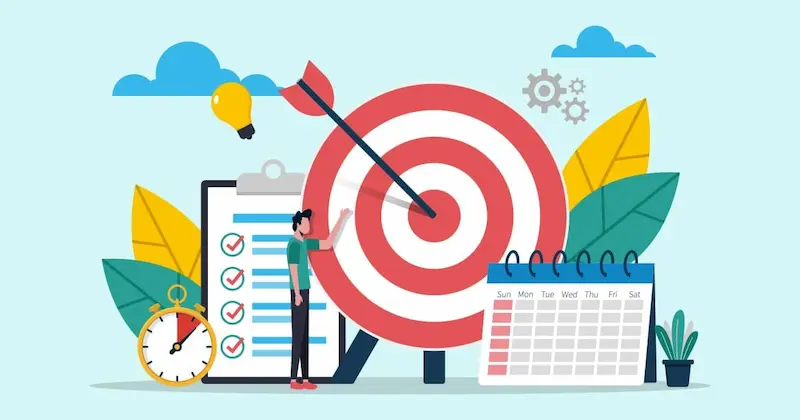
The first step to learning new skills easily is clarity. Without a clear goal, it’s easy to lose direction. Start by asking yourself: What exactly do I want to achieve, and by when?
- Example: Instead of saying, “I want to learn Spanish,” set a specific goal like, “I want to hold a 5-minute conversation in Spanish within 3 months.”
- Tip: Write your goals down and make them measurable. This gives you a clear roadmap and helps track progress.
Clear goals also help your brain focus on what matters most, which speeds up learning.
2. Break Skills Into Small Chunks
Big skills can feel overwhelming. Breaking them into smaller, manageable parts makes learning easier and less stressful.
- Example: If your goal is to learn new skills easily like coding, you might break it into:
- Learning basic programming concepts like variables and loops
- Understanding functions and data structures
- Building a simple project
- Learning basic programming concepts like variables and loops
By focusing on one small step at a time, you build confidence and create momentum. This technique, known as chunking, is highly effective for fast learning.
3. Prioritize with the 80/20 Principle
Not all learning activities are equally important. The 80/20 principle suggests that 20% of your efforts will produce 80% of your results.
- Example: If you want to learn new skills easily in digital marketing, focus first on skills that have the biggest impact, like SEO and social media strategies, before diving into less critical topics like advanced analytics.
Focusing on high-impact areas helps you see faster results and keeps motivation high.
4. Practice Consistently
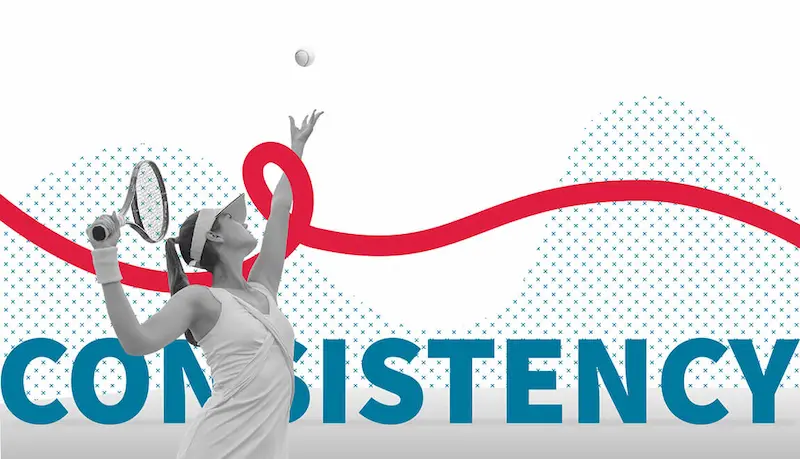
Consistency beats intensity when learning a new skill. Short, daily practice sessions are more effective than occasional long sessions.
- Example: If you want to learn new skills easily in piano, practicing 20 minutes every day is far more effective than a 3-hour session once a week.
- Tip: Set a daily schedule or habit, like 30 minutes every morning. Your brain thrives on repetition, which reinforces learning over time.
5. Learn by Doing
Hands-on practice is the fastest way to retain knowledge. Don’t just read or watch tutorials—apply what you learn immediately.
- Example: If you’re learning photography, start taking photos as soon as you learn a new technique, instead of waiting until you “feel ready.”
- Why it works: Practical application strengthens memory and helps you understand concepts better than passive learning.
6. Embrace Mistakes
Mistakes are an essential part of learning. Instead of fearing them, see them as opportunities to improve.
- Example: When learning a new language, making pronunciation mistakes is natural. Each error helps you identify areas to improve.
- Tip: Keep a “mistake journal” to track errors and lessons learned. Over time, your mistakes become stepping stones to mastery.
Accepting mistakes reduces frustration and makes it easier to learn new skills easily.
You may also like to read this:
Ultimate Exam Study Guide To Help You Succeed In Exams
Study Methods For Students: Learn Smarter And Faster
Simple Study Techniques To Learn Faster And Smarter
Skill Development For Beginners | Learn Skills From Scratch
Basic Skill Development Tips: Easy Guide For Beginners
7. Find a Mentor or Join a Community
Learning is faster and more enjoyable when you have guidance or a support system.
- Mentors provide expert advice, correct mistakes, and accelerate learning.
- Communities offer encouragement, tips, and motivation.
- Example: If you want to learn new skills easily in graphic design, joining online design communities or following experienced designers can provide valuable feedback and inspiration.
8. Use Multiple Learning Resources
Relying on one source can limit your understanding. Using a mix of resources helps you learn more comprehensively.
- Example: To learn digital marketing, you could combine:
- Online courses for structured learning
- YouTube tutorials for visual examples
- Blogs and podcasts for latest updates
- Hands-on practice with real projects
- Online courses for structured learning
Different formats reinforce knowledge in unique ways, making it easier to remember and apply.
9. Teach What You Learn
Teaching is a powerful way to solidify your knowledge. When you explain a concept, your brain organizes information more effectively.
- Example: After learning a programming concept, write a blog post or explain it to a friend.
- Tip: If you want to learn new skills easily, consider creating mini-tutorials or videos—it reinforces learning and benefits others.
10. Stay Patient and Motivated
Learning new skills is a journey. Patience and motivation are your best allies. Celebrate small milestones and track your progress.
- Example: If you’re learning guitar, celebrate playing your first song perfectly.
- Tip: Keep a progress journal or checklist to see how far you’ve come.
Remember: consistent effort beats shortcuts. Even slow, steady progress leads to mastery.
Final Thoughts
If your goal is to learn new skills easily, remember these key strategies:
- Set clear, specific goals
- Break skills into small chunks
- Prioritize high-impact learning
- Practice consistently
- Apply your knowledge hands-on
- Embrace mistakes
- Find mentors or communities
- Use diverse learning resources
- Teach others
- Stay patient and motivated
By following these steps, you can make learning less stressful, more effective, and even fun. Every small effort adds up, and soon you’ll see yourself mastering skills faster than you imagined. Start today, and you’ll be surprised at how easily you can learn new skills.
FAQs About Learning New Skills Easily
1. What is the fastest way to learn new skills?
The fastest way to learn new skills easily is by combining clear goals, consistent practice, and hands-on application. Focus on high-impact areas first, break skills into small chunks, and practice daily. Teaching others what you learn can also accelerate retention.
2. Can anyone learn new skills easily?
Yes! Anyone can learn new skills easily with the right approach and mindset. The key is to stay consistent, embrace mistakes, and break learning into manageable steps. Motivation and patience play a huge role in making the process smoother.
3. How long does it take to learn a new skill?
The time varies depending on the skill, your prior experience, and practice frequency. Small skills can take days or weeks, while complex skills may take months. Consistent daily practice and focused learning can significantly shorten the learning curve.
4. Are online courses effective for learning new skills?
Absolutely! Online courses provide structured guidance and can help you learn new skills easily. To get the best results, complement courses with hands-on practice and real-world projects. Using multiple learning resources (videos, blogs, tutorials) enhances retention.
5. How can I stay motivated while learning something new?
Motivation can be maintained by setting small goals, celebrating achievements, tracking progress, and joining a supportive community. Remember why you started and focus on the progress you make, not just the end goal.