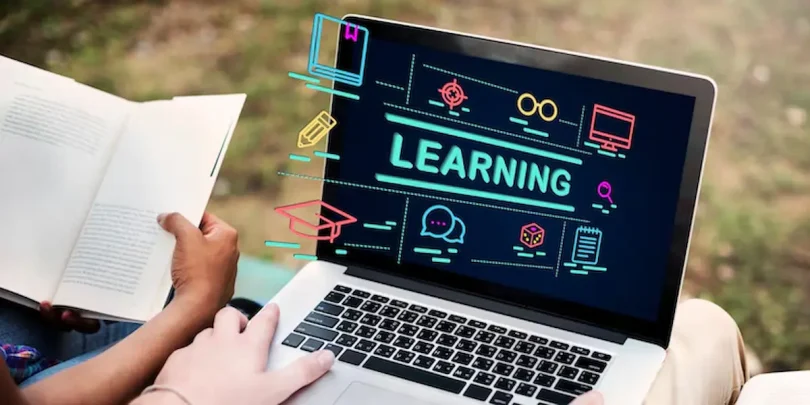

In today’s digital world, learning has never been more accessible. Free learning resources provide students, professionals, and lifelong learners with opportunities to gain knowledge, develop skills, and explore new interests without paying high fees. These resources range from online courses and tutorials to e-books, videos, and educational websites.
This guide highlights the types of free learning resources available, their benefits, and how to use them effectively to maximize learning.
Why Use Free Learning Resources
Using free learning resources offers several advantages:
- Cost-Effective Learning: No financial investment is needed to access quality educational materials.
- Flexible Access: Learn anytime, anywhere, according to your schedule.
- Wide Range of Topics: From academic subjects to technical skills and hobbies, free resources cover almost everything.
- Self-Paced Learning: Learn at your own speed without the pressure of deadlines.
- Supplement Formal Education: These resources can enhance classroom learning or professional training.
Types of Free Learning Resources

1. Online Courses and Tutorials
Many websites offer free courses in a variety of subjects, including programming, business, languages, and personal development. Popular platforms include:
- Educational websites offering structured courses
- YouTube tutorials for step-by-step guidance
- MOOCs (Massive Open Online Courses) from universities
2. E-Books and PDFs
Digital books and PDFs provide in-depth knowledge on academic topics, self-help, and technical skills.
- Free e-books from educational institutions or libraries
- Open-access textbooks for college-level learning
- Guides and manuals for software and technical skills
3. Educational Videos and Podcasts
Visual and audio content helps learners understand concepts better:
- YouTube educational channels
- Free podcasts on science, technology, business, and creativity
- Recorded lectures from universities
4. Interactive Learning Platforms
Platforms with quizzes, exercises, and projects allow hands-on practice:
- Coding practice websites
- Language learning apps with free tiers
- Online simulations for science and math experiments
You may also like to read this:
Basic Skill Development Tips: Easy Guide For Beginners
Learn New Skills Easily – Proven Tips For Fast Learning
Skill Building for Students: Essential Guide to Success
Skill Improvement Guide: Boost Your Abilities Effectively
Personal Skill Development: Tips To Improve Yourself Daily
5. Forums and Online Communities
Discussion groups and online communities offer peer-to-peer learning:
- Reddit, Stack Exchange, and Quora for Q&A
- Facebook and Discord learning groups
- GitHub for coding collaboration
How to Make the Most of Free Learning Resources
- Set Clear Goals: Identify what skills or knowledge you want to gain.
- Create a Learning Schedule: Dedicate specific times to study consistently.
- Take Notes and Practice: Write summaries, complete exercises, and apply knowledge.
- Combine Resources: Use videos, e-books, and interactive platforms together for better understanding.
- Join Communities: Engage with other learners to clarify doubts and share insights.
- Track Progress: Regularly assess what you’ve learned and adjust your plan if needed.
Benefits of Using Free Learning Resources
- Improves Knowledge and Skills: Learn new concepts or refine existing ones.
- Enhances Career Opportunities: Gain skills relevant to jobs or entrepreneurship.
- Encourages Lifelong Learning: Makes continuous self-education accessible and fun.
- Supports Academic Success: Complements school or college curriculum with extra learning.
Conclusion
Free learning resources empower learners worldwide by providing access to quality education without financial barriers. By exploring online courses, e-books, tutorials, and interactive platforms, anyone can acquire new skills, expand knowledge, and achieve personal and professional growth.
Start utilizing free learning resources today to stay ahead in your education, career, or personal development journey.
FAQs
1. What are free learning resources?
They are educational materials available at no cost, including courses, e-books, videos, and interactive platforms.
2. Are free learning resources effective?
Yes, when used consistently and combined with practical practice, they can be highly effective.
3. Can free resources replace formal education?
They supplement formal education but may not completely replace degrees or certifications.
4. Where can I find free learning resources?
Online platforms, educational websites, libraries, YouTube, podcasts, and open-access textbooks.
5. How do I stay motivated using free resources?
Set goals, follow a schedule, join communities, and track progress regularly.