
In the modern world, education extends far beyond classrooms. Educational learning resources provide students, teachers, and lifelong learners with tools to enhance knowledge, develop skills, and explore new topics efficiently. These resources include textbooks, online courses, videos, interactive tools, and more, making learning flexible, accessible, and engaging.
This guide explains the types, benefits, and practical ways to use educational learning resources effectively.
Why Educational Learning Resources Are Important
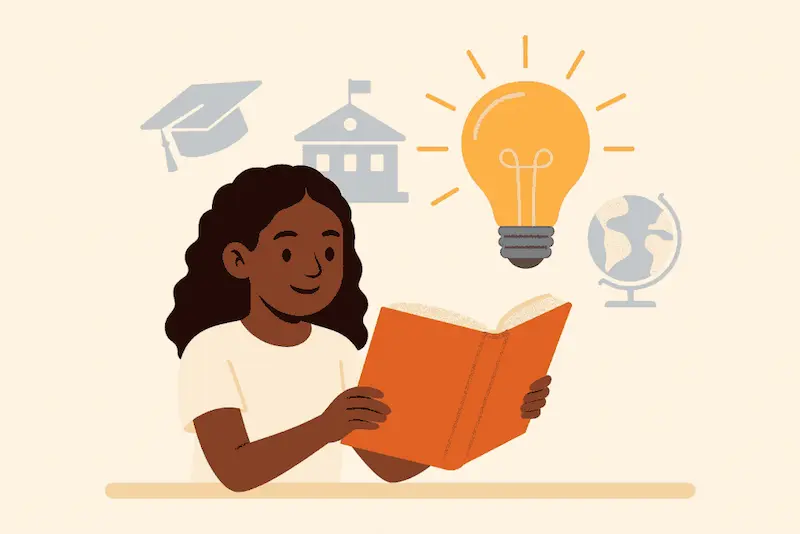
Using educational learning resources helps learners:
- Enhance Academic Performance: Supports classroom learning and improves understanding.
- Develop Skills: Builds technical, creative, and soft skills.
- Access a Wide Range of Topics: From academic subjects to hobbies and professional skills.
- Learn at Own Pace: Allows self-paced learning to match individual needs.
- Stay Updated: Keeps learners informed about the latest trends and knowledge in their field.
Types of Educational Learning Resources
1. Textbooks and Reference Materials
- Standard textbooks for curriculum-based learning.
- Reference books, guides, and manuals for deeper understanding.
- E-books and PDFs for easy access on digital devices.
2. Online Courses and Tutorials
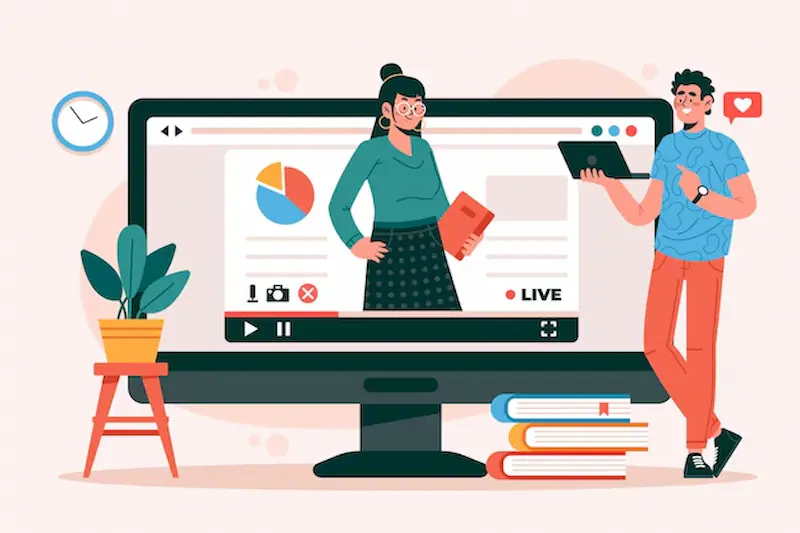
- MOOCs (Massive Open Online Courses) offer structured lessons from universities.
- Video tutorials on YouTube and educational platforms for step-by-step guidance.
- Online platforms like Coursera, Khan Academy, and edX provide free or paid courses.
3. Educational Videos and Podcasts
- Videos explain complex topics visually, enhancing retention.
- Podcasts provide knowledge on a wide range of subjects while on the go.
- TED Talks, educational channels, and podcasts cover science, arts, business, and more.
4. Interactive Learning Tools
- Simulations, quizzes, and gamified apps for hands-on learning.
- Coding platforms, language learning apps, and virtual labs enhance practical skills.
- Tools like Kahoot, Quizlet, and Duolingo make learning engaging.
5. Online Communities and Forums
- Discussion platforms like Reddit, Quora, and specialized forums allow learners to ask questions and share knowledge.
- Peer-to-peer learning encourages collaboration and problem-solving.
You may also like to read this:
Skill Building for Students: Essential Guide to Success
Skill Improvement Guide: Boost Your Abilities Effectively
Personal Skill Development: Tips To Improve Yourself Daily
Free Learning Resources: Access Knowledge Without Cost
Online Learning Resources: Learn Skills Anytime, Anywhere
How to Use Educational Learning Resources Effectively
- Set Learning Goals: Decide what you want to achieve with your learning resources.
- Choose the Right Resources: Select materials suitable for your level and objectives.
- Create a Study Schedule: Dedicate regular time for consistent learning.
- Combine Multiple Resources: Use videos, textbooks, and interactive tools together for better understanding.
- Practice and Apply: Implement learned concepts through exercises, projects, or real-life applications.
- Seek Feedback and Collaboration: Join online communities or study groups to enhance understanding.
Benefits of Educational Learning Resources
- Enhanced Knowledge and Skills: Provides a holistic learning experience.
- Flexibility and Accessibility: Learn anytime, anywhere, without limitations.
- Cost-Effective: Many resources are free or low-cost.
- Supports Lifelong Learning: Encourages continuous personal and professional growth.
- Improves Academic and Career Opportunities: Builds a strong foundation for future success.
Conclusion
Educational learning resources are essential for modern learners who want to excel academically, professionally, and personally. By leveraging textbooks, online courses, videos, interactive tools, and community platforms, students and lifelong learners can gain knowledge efficiently, develop skills, and achieve their goals.
Start exploring educational learning resources today to enhance your learning journey and unlock your full potential.
FAQs
1. What are educational learning resources?
They are materials such as textbooks, online courses, videos, apps, and tools that help learners gain knowledge and skills.
2. Are educational learning resources free?
Many are free, such as MOOCs, YouTube tutorials, podcasts, and open-access e-books. Some premium courses may require payment.
3. How can students use these resources effectively?
Set clear goals, follow a schedule, combine different resources, practice regularly, and participate in learning communities.
4. Can these resources replace traditional classroom learning?
They supplement classroom learning but are best used alongside formal education for comprehensive understanding.
5. What skills can I develop using educational learning resources?
Students can improve academic knowledge, technical abilities, soft skills, creativity, and critical thinking.