
When it comes to acquiring knowledge or mastering a new skill, having access to the best learning materials can dramatically improve your results. Whether you are a student, professional, or a lifelong learner, the quality and type of resources you use play a huge role in how effectively you learn. In this guide, we’ll explore the different types of learning materials, how to select the right ones for your needs, and strategies to maximize your learning potential.
1. Books – The Foundation of Knowledge
Books have stood the test of time as one of the most reliable best learning materials. They offer structured information, expert insights, and a depth of knowledge that’s hard to match.
Types of Books:
- Textbooks: Ideal for students, these provide comprehensive explanations, examples, and exercises.
- Reference Books: Perfect for professionals or researchers, these books focus on specific topics or industries.
- E-Books: Convenient for on-the-go learning, e-books allow you to carry multiple resources in one device.
- Biographies & Case Studies: Learning from real-life experiences can help you understand practical applications of theories.
Pro Tip: Combine reading with note-taking, highlighting, or creating mind maps. This active approach improves retention and understanding.
2. Online Courses and E-Learning Platforms
Digital learning has revolutionized access to knowledge. Online courses are some of the most versatile best learning materials, offering flexibility and interactivity.
Benefits of Online Learning:
- Learn at your own pace without the pressure of deadlines.
- Access expert instructors from around the world.
- Interactive assignments, quizzes, and practical projects reinforce learning.
- Many platforms provide certificates, boosting your professional profile.
Popular Platforms: Coursera, Udemy, Khan Academy, LinkedIn Learning.
Pro Tip: Opt for courses with hands-on projects or real-world case studies to apply your knowledge immediately.
3. Educational Videos and Documentaries
Visual learning is extremely powerful. Videos and documentaries help break down complex topics into digestible parts, making them ideal for learners who struggle with text-heavy materials.
Advantages:
- Explains concepts visually for better understanding.
- Ideal for subjects like science, history, or technical skills.
- Can be paused, replayed, or watched multiple times for mastery.
Popular Sources: YouTube educational channels, TED Talks, National Geographic documentaries.
Pro Tip: Take brief notes while watching and summarize key ideas to strengthen recall.
4. Interactive Learning Tools
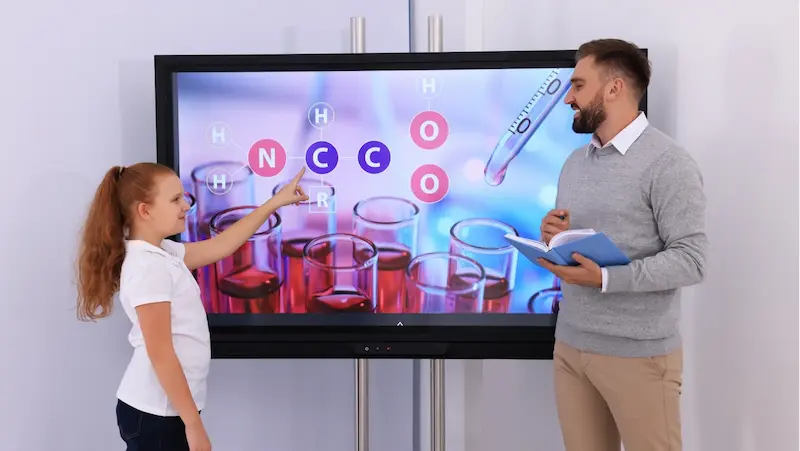
Interactive tools such as simulations, apps, and educational games are highly effective because they allow you to learn by doing.
Examples:
- Duolingo for language learning.
- Khan Academy interactive exercises for math and science.
- Coding simulators and online IDEs for programming practice.
Pro Tip: Use interactive tools to test your knowledge, practice problem-solving, and reinforce concepts in a practical way.
5. Study Groups and Peer Learning
Sometimes, the best learning materials are people themselves. Collaborating with peers or joining study groups enhances learning through discussion and knowledge exchange.
Benefits:
- Reinforces concepts by explaining them to others.
- Exposes you to different perspectives and problem-solving approaches.
- Creates accountability and motivation.
Pro Tip: Even online forums, social media groups, and communities like Reddit or Discord can provide valuable collaborative learning experiences.
6. Notes, Summaries, and Flashcards
Organized notes, summaries, and flashcards are simple but powerful tools, especially for revision and memory reinforcement.
Tools & Techniques:
- Handwritten notes: Writing helps strengthen memory retention.
- Digital notes: Tools like Evernote or Notion help organize topics efficiently.
- Flashcards: Apps like Anki and Quizlet use spaced repetition to improve long-term memory.
Pro Tip: Focus on key points and concepts rather than copying everything. Quality over quantity matters.
You may also like to read this:
Personal Skill Development: Tips To Improve Yourself Daily
Free Learning Resources: Access Knowledge Without Cost
Online Learning Resources: Learn Skills Anytime, Anywhere
Educational Learning Resources: Enhance Skills & Knowledge
Learning Resources for Students: Tools for Academic Success
7. Podcasts and Audio Learning
Podcasts and audiobooks are excellent best learning materials for auditory learners and people with busy lifestyles. You can learn while commuting, exercising, or performing daily chores.
Benefits:
- Convenient and portable.
- Wide variety of topics available.
- Can supplement traditional learning methods.
Pro Tip: Listen actively by taking notes or pausing to reflect on important points.
8. Choosing the Right Learning Materials
Not every resource works for everyone. To make the most of your learning experience:
- Identify your learning style: visual, auditory, reading/writing, or kinesthetic.
- Define clear learning goals: short-term (exam preparation) vs long-term (skill mastery).
- Check the credibility of resources before investing time or money.
- Mix different types of materials for a well-rounded approach.
Conclusion
Finding the best learning materials is essential for effective, efficient, and enjoyable learning. Whether you prefer books, online courses, interactive tools, or podcasts, the key is to choose resources that match your learning style, challenge your understanding, and encourage active engagement. By leveraging these materials wisely, you can accelerate your learning, retain knowledge longer, and apply it effectively in real-life scenarios. Start exploring today and transform the way you learn!
FAQs on Best Learning Materials
1. What are the best learning materials for students?
The best learning materials for students include textbooks, reference books, online courses, interactive apps, educational videos, and study notes. Combining multiple resources often leads to better understanding and retention.
2. Are online courses effective for learning?
Yes, online courses are highly effective, especially when they include video lectures, quizzes, and hands-on exercises. They offer flexibility and allow you to learn from expert instructors at your own pace.
3. How can I choose the right learning material for me?
Identify your learning style (visual, auditory, reading/writing, or kinesthetic), set clear goals, and pick materials that match your preferences. Mixing different types of resources can also enhance learning outcomes.
4. Are podcasts and audiobooks considered good learning materials?
Absolutely. Podcasts and audiobooks are excellent for auditory learners and busy individuals. They allow you to learn on the go while commuting, exercising, or performing daily tasks.
5. Can study groups improve learning efficiency?
Yes, studying with peers encourages discussion, problem-solving, and knowledge exchange. It also helps reinforce concepts and exposes you to multiple perspectives, which can boost understanding.