
When we discuss basic education topics, we are referring to the foundational subjects and skills that every learner, regardless of age, should know. These topics form the backbone of education, helping individuals develop intellectual, social, and emotional abilities that are essential in daily life and future learning.
Whether you are a student, parent, educator, or lifelong learner, understanding these basic education topics is key to building a strong foundation.
What Are Basic Education Topics?
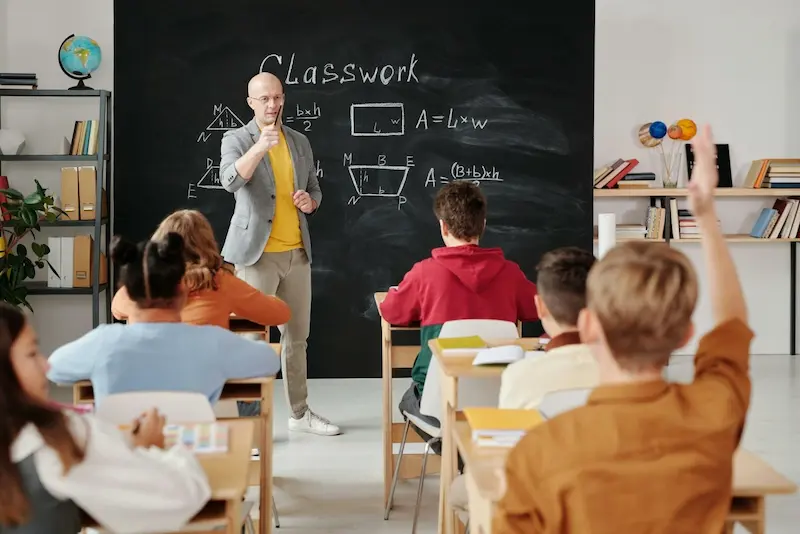
Basic education topics are the core areas of learning that are usually covered in primary and secondary education. They aim to develop a well-rounded individual who is not only knowledgeable but also capable of critical thinking, problem-solving, and responsible decision-making. Unlike specialized subjects, these topics are universal and necessary for personal and academic growth.
The primary goal of basic education is to ensure that every learner acquires essential skills in literacy, numeracy, science, and social understanding, along with the ability to apply these skills in real-life situations.
Core Basic Education Topics
1. Language and Literacy
Language is the foundation of communication, thought, and learning. In basic education, language skills go beyond reading and writing—they include comprehension, storytelling, listening, and effective verbal communication.
Key areas include:
- Reading comprehension: Understanding stories, articles, and informational texts.
- Writing skills: Crafting essays, letters, and reports.
- Grammar and vocabulary: Correct sentence formation, spelling, and expression.
- Speaking and listening: Public speaking, discussions, and active listening.
Practical tip: Encourage reading diverse materials like newspapers, storybooks, and online articles to improve language skills in daily life.
2. Mathematics
Mathematics is not just about numbers; it’s about logic, reasoning, and problem-solving. Basic education topics in mathematics equip learners with the tools to handle everyday calculations and develop analytical thinking.
Key areas include:
- Arithmetic: Addition, subtraction, multiplication, and division.
- Fractions and decimals: Understanding parts of a whole and measurements.
- Geometry: Shapes, angles, and spatial understanding.
- Algebra: Basic equations and pattern recognition.
- Statistics and probability: Understanding data, graphs, and predictions.
Practical tip: Apply math to real-life situations like shopping, budgeting, or cooking to make concepts more relatable.
3. Science
Science develops curiosity and understanding of the natural world. It encourages observation, experimentation, and critical thinking. Basic education topics in science introduce students to the principles of biology, chemistry, physics, and earth sciences.
Key areas include:
- Biology: Life processes, human anatomy, plants, and animals.
- Chemistry: Basics of elements, compounds, and reactions.
- Physics: Forces, motion, energy, and simple experiments.
- Earth science: Weather, natural resources, and environmental awareness.
Practical tip: Encourage hands-on experiments and observation of nature to make science engaging and memorable.
4. Social Studies
Social studies help learners understand human society, history, and culture. These topics encourage civic responsibility and global awareness.
Key areas include:
- History: Events, movements, and influential figures.
- Geography: Maps, countries, physical features, and climate.
- Civics: Government structure, rights, duties, and democracy.
- Cultural studies: Traditions, religions, and social norms.
Practical tip: Connect lessons to current events or local history to make social studies more meaningful.
5. Arts and Creativity
Arts education nurtures creativity, imagination, and emotional intelligence. Through music, painting, drama, and crafts, students learn to express themselves and think outside the box.
Key areas include:
- Drawing, painting, and sculpture
- Music, singing, and rhythm
- Drama, dance, and performance arts
- Creative writing and storytelling
Practical tip: Encourage children and learners to participate in school performances or art exhibitions to boost confidence and creativity.
6. Physical Education
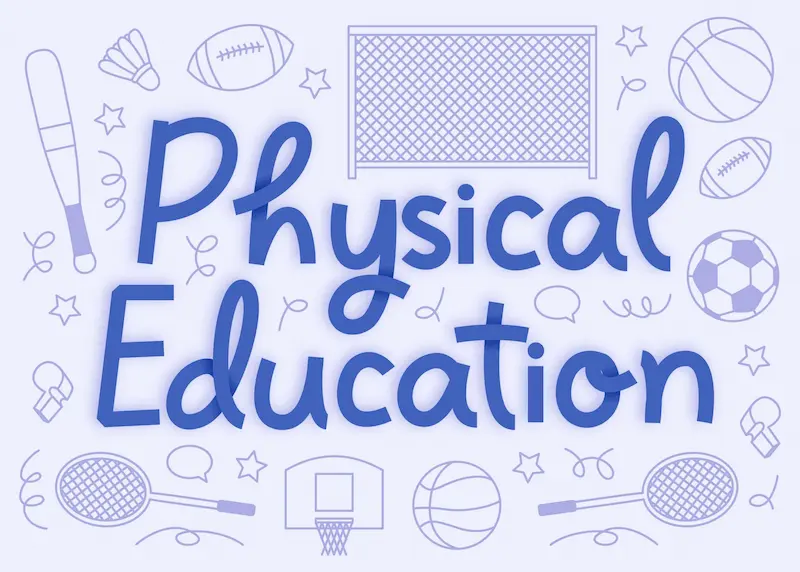
Physical education (PE) promotes health, fitness, and teamwork. It also develops discipline, coordination, and resilience.
Key areas include:
- Exercises, running, and yoga
- Team sports like football, basketball, and volleyball
- Health and nutrition awareness
- Safety and first aid knowledge
Practical tip: Include daily physical activity for at least 30 minutes to maintain a healthy body and mind.
7. Life Skills
Life skills are essential for personal development and handling everyday challenges. These skills help learners become independent, responsible, and adaptive.
Key areas include:
- Communication and interpersonal skills
- Time management and organization
- Problem-solving and decision-making
- Financial literacy (budgeting, saving, and spending wisely)
- Emotional intelligence and stress management
Practical tip: Practice life skills through role-playing, household tasks, and real-world scenarios.
You may also like to read this:
Understanding Basic Learning Concepts For Everyone
Learning Basics For Beginners – Start Your Journey Today
Fundamental Learning Skills: Master The Basics of Learning
Learning Basics Explained: Master Effective Learning Today
Introduction To Learning: Tips For Lifelong Learning
8. Technology and Digital Literacy
In a rapidly changing digital world, understanding technology is no longer optional. Digital literacy is now a crucial basic education topic.
Key areas include:
- Basic computer operations (typing, word processing, spreadsheets)
- Internet navigation and research skills
- Online safety and cybersecurity
- Introduction to coding and digital tools
Practical tip: Encourage safe online learning, coding games, and using educational apps to improve digital skills.
Why Basic Education Topics Are Important
Understanding basic education topics is crucial because:
- They form the foundation for higher education and professional success.
- They develop critical thinking, problem-solving, and creativity.
- They foster responsible citizenship and social awareness.
- They equip learners with practical skills for daily life.
Basic education is not just about academic success—it’s about preparing individuals to navigate life confidently, make informed decisions, and continue learning throughout their lives.
Tips for Learning Basic Education Topics Effectively
- Set Clear Goals: Identify which topics need more focus and plan your learning schedule.
- Engage Actively: Take notes, participate in discussions, and practice regularly.
- Use Visual Aids: Charts, diagrams, and videos make concepts easier to understand.
- Practice Real-Life Applications: Connect what you learn to everyday situations.
- Stay Curious: Ask questions, explore new ideas, and never stop learning.
Conclusion
Basic education topics are the building blocks of knowledge and personal development. From language and math to science, social studies, arts, and life skills, these topics equip learners with the tools they need for success in school, work, and life. By understanding and applying these fundamental subjects, anyone can develop a strong foundation for lifelong learning and growth.
Whether you are a student starting your education journey, a parent supporting your child, or an adult looking to strengthen your knowledge, focusing on these basic education topics ensures a well-rounded, confident, and prepared individual.
FAQs About Basic Education Topics
1. What are basic education topics?
They are foundational subjects and skills taught in schools, including language, math, science, social studies, arts, physical education, life skills, and digital literacy.
2. Why are they important?
They build essential knowledge, critical thinking, problem-solving skills, and prepare learners for higher education, careers, and everyday life.
3. Which subjects are included?
Language and literacy, mathematics, science, social studies, arts and creativity, physical education, life skills, and technology.
4. How can I learn them effectively?
Study regularly, break topics into small parts, use visual aids, ask questions, and apply concepts to real life.
5. Are life skills part of basic education?
Yes. Skills like communication, time management, financial literacy, and problem-solving are essential for real-life success.