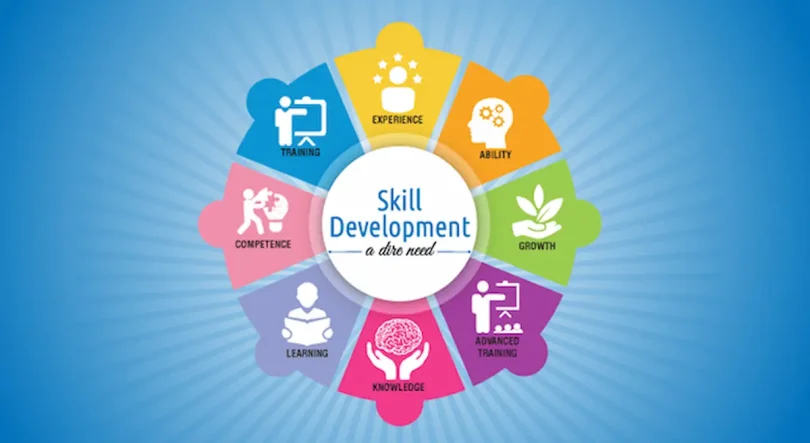

Basic skill development tips are the foundation of personal growth, career success, and self-confidence. If you’re someone who wants to improve but feels confused or stuck, you’re not alone. Think of this article as a friendly conversation where I guide you step by step on how to build skills from scratch—without pressure, without complex words, and without feeling overwhelmed.
Understanding Skill Development in Simple Words
Skill development means learning abilities that help you do things better in your daily life, studies, or job. These skills can be:
- Soft skills like communication, confidence, time management, teamwork, and problem-solving
- Basic technical skills like computer use, typing, writing, or digital literacy
The purpose of following basic skill development tips is to make learning easier, structured, and realistic for beginners.
Why Basic Skill Development Is Important
Before jumping into learning, it’s important to understand why skills matter.
Basic skill development helps you:
- Feel more confident in yourself
- Perform better in school or at work
- Communicate clearly with others
- Adapt to new situations easily
- Increase career and income opportunities
No matter your age or background, applying the right basic skill development tips can improve your life step by step.
Start by Identifying the Skill You Need Most
One common mistake beginners make is trying to learn too many skills at once. This leads to confusion and frustration.
Ask yourself:
- What am I struggling with right now?
- Which skill will help me immediately?
Examples:
- Struggling in interviews? → Communication skills
- Feeling unorganized? → Time management
- New to computers? → Basic digital skills
Choosing one skill at a time is one of the most effective basic skill development tips.
Set Clear and Achievable Goals
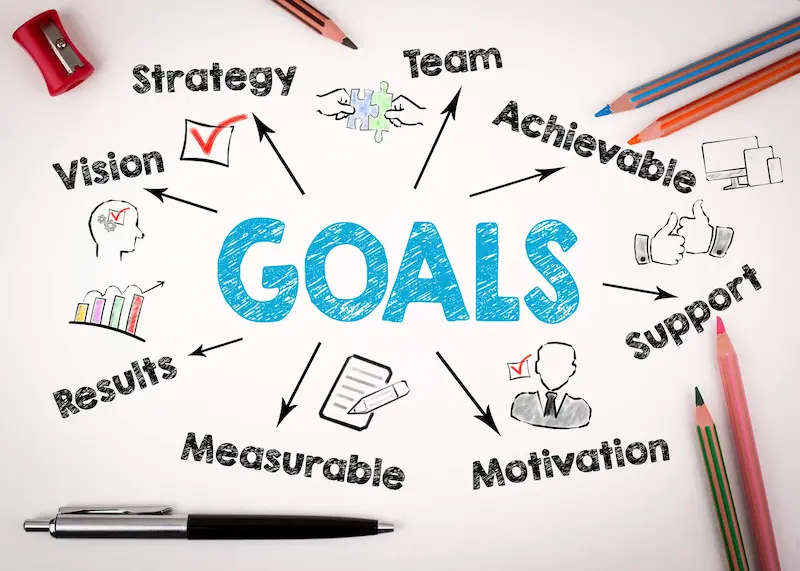
Skill development becomes easier when your goals are clear.
Instead of vague goals like:
- “I want to improve myself”
Use specific goals:
- “I will practice English speaking for 20 minutes daily”
- “I will learn basic computer shortcuts this week”
Small, achievable goals keep you motivated. This is why goal-setting is a key part of all basic skill development tips.
Create a Simple Learning Routine
You don’t need a perfect schedule—just a simple routine.
For example:
- Morning: Read or watch something related to your skill
- Evening: Practice for 15–30 minutes
Consistency is more important than duration. One of the most practical basic skill development tips is to practice a little every day rather than a lot once in a while.
Learn From Beginner-Friendly Resources
There are plenty of free resources available if you know where to look.
Good learning sources include:
- YouTube tutorials for beginners
- Free learning platforms
- Blogs written in simple language
- Practice apps
Always choose resources that explain concepts slowly and clearly. Good basic skill development tips focus on understanding, not rushing.
You may also like to read this:
How To Study Effectively: Smart Tips For Better Learning
Ultimate Exam Study Guide To Help You Succeed In Exams
Study Methods For Students: Learn Smarter And Faster
Simple Study Techniques To Learn Faster And Smarter
Skill Development For Beginners | Learn Skills From Scratch
Practice Actively, Not Passively
Reading or watching is not enough—you need to do.
Examples:
- Learning communication? Speak in front of a mirror
- Learning typing? Practice typing daily
- Learning time management? Plan your day and follow it
Active practice turns knowledge into skill. This is one of the most powerful basic skill development tips for beginners.
Accept Mistakes as Part of Learning
Many people quit because they fear making mistakes. But mistakes are signs that you’re learning.
Remember:
- Every beginner makes mistakes
- Mistakes help you understand better
- Improvement comes from correction
One of the most important basic skill development tips is to stop being afraid of failure.
Track Your Progress Regularly
Tracking progress helps you stay motivated and focused.
You can:
- Write daily practice notes
- Track hours spent learning
- Note improvements weekly
When you see growth, even small growth, you’ll feel encouraged. Monitoring progress is a smart and practical basic skill development tip.
Apply Your Skills in Real Life
Skills become strong only when used in real situations.
For example:
- Use communication skills in daily conversations
- Use computer skills at work or study
- Use problem-solving skills in daily challenges
Applying what you learn is one of the most effective basic skill development tips for long-term success.
Stay Patient and Consistent
Skill development takes time. There will be days when progress feels slow—and that’s okay.
Always remember:
- Consistency beats talent
- Slow progress is still progress
- Patience leads to mastery
Staying consistent is the heart of all basic skill development tips.
Final Thoughts
To sum it up, basic skill development tips are not about doing everything perfectly—they’re about starting small, staying consistent, and believing in yourself. Focus on one skill, practice daily, learn from mistakes, and apply what you learn in real life.
Your growth journey starts the moment you decide not to give up. Keep going—you’re doing better than you think.
FAQs on Basic Skill Development Tips
1. What are basic skill development tips?
Basic skill development tips are practical strategies and advice that help beginners improve personal, professional, or technical skills. These tips focus on starting small, practicing consistently, and learning effectively.
2. Why is skill development important?
Skill development enhances your confidence, improves performance in studies or work, boosts communication, and helps you adapt to new challenges. It’s essential for personal growth and career success.
3. Which skills should I start with as a beginner?
Start with skills that will have the most immediate impact on your life, such as:
Communication and interpersonal skills
Time management and organization
Basic computer or digital skills
Problem-solving and critical thinking
4. How can I practice skills effectively?
Practice actively rather than passively:
Speak, write, or apply what you learn daily
Break the skill into smaller parts and focus on one at a time
Set a regular practice schedule, even if it’s just 15–30 minutes a day
5. Can I develop multiple skills at the same time?
It’s better to focus on one skill at a time. Trying to learn too many skills simultaneously can lead to confusion and slow progress. Once you feel confident in one skill, move to the next.