

Exams can feel intimidating, especially when the syllabus seems endless. But the secret to success isn’t just hard work—it’s smart, organized study. That’s where a comprehensive exam study guide comes in. Think of it as your personal roadmap to success. It helps you know what to study, when to study, and how to retain information efficiently.
In this guide, we’ll break down everything you need to create a study plan that actually works.
Why You Need an Exam Study Guide

An exam study guide is more than just a list of topics. It’s a strategic plan that:
- Organizes your syllabus: Breaking it into manageable sections makes it easier to handle.
- Prioritizes your time: Focus on what matters most, avoiding wasted effort.
- Improves retention: Effective strategies ensure you remember what you study.
- Reduces stress: With a clear plan, last-minute panic becomes a thing of the past.
In short, a study guide transforms overwhelming material into a structured, achievable plan.
Step 1: Gather All Your Materials
Before you start making your study guide, collect all the resources you’ll need. These include:
- Class notes and handouts: Often contain what your teacher emphasizes most.
- Textbooks: Focus on chapters relevant to your syllabus.
- Past exam papers: Identify patterns in questions and common topics.
- Online resources: Videos, articles, and tutorials can clarify difficult concepts.
- Stationery and apps: Highlighters, sticky notes, and digital tools help organize information.
Having everything in one place ensures your guide is complete and saves you time hunting for materials later.
Step 2: Break Down the Syllabus
Now that your materials are ready, divide your syllabus into sections, chapters, or topics. Here’s how:
- List all chapters: Create a master list of every topic you need to cover.
- Identify subtopics: Break chapters into smaller sections for easier study.
- Highlight key concepts: Focus on definitions, formulas, dates, and examples.
- Visualize progress: Use a checklist or spreadsheet to track completed topics.
Breaking down the syllabus prevents overwhelm and ensures no topic is skipped.
Step 3: Prioritize Topics
Not all topics are equal. Some are frequently tested, while others appear less often. Assign priority levels:
- High-priority: Topics often tested or essential to understanding other chapters.
- Medium-priority: Important but less frequently tested topics.
- Low-priority: Minor details or bonus questions.
Focusing on high-priority topics first ensures maximum impact for your study time.
Step 4: Create a Study Schedule
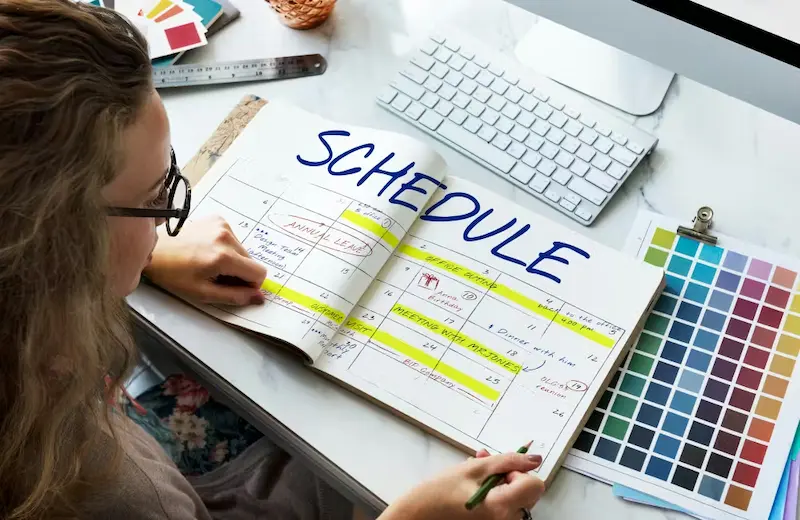
A well-planned schedule is a cornerstone of a successful exam study guide. Follow these tips:
- Set realistic goals: Divide study sessions into 25–50 minute blocks with 5–10 minute breaks (Pomodoro Technique).
- Rotate subjects: Switching subjects keeps your mind fresh and improves retention.
- Include revision days: Reserve time for reviewing and consolidating knowledge.
- Avoid last-minute cramming: Consistent study beats stress and panic.
Use a planner, calendar, or digital app to map out your daily study plan.
Step 5: Use Effective Study Techniques
Your study guide should not just list topics—it should include strategies to learn effectively:
- Active recall: Test yourself regularly on what you’ve learned.
- Summarization: Write notes in your own words to reinforce understanding.
- Mind maps & diagrams: Visual learning aids memory and understanding.
- Flashcards: Great for quick revision of key terms, formulas, or dates.
- Teach someone else: Explaining concepts improves retention.
- Practice papers: Simulate exam conditions to improve speed and accuracy.
Combining these techniques creates a dynamic and effective study routine.
You may also like to read this:
Introduction To Learning: Tips For Lifelong Learning
Core Basic Education Topics Every Learner Should Know
Study Guide For Beginners: Easy Tips For Learning
Easy Study Tips: Learn Smarter And Faster Every Day
How To Study Effectively: Smart Tips For Better Learning
Step 6: Track Your Progress
A good exam study guide should help you monitor your improvement:
- Tick off completed topics.
- Note areas of difficulty for extra practice.
- Adjust your schedule if needed to focus on weak areas.
Tracking progress keeps you motivated and ensures you cover everything systematically.
Step 7: Take Care of Your Health
Even the best study guide won’t work if your mind and body are exhausted. Healthy habits boost focus and memory:
- Sleep well: Aim for 7–8 hours for optimal brain function.
- Eat nutritious meals: Foods rich in protein, vitamins, and omega-3 improve concentration.
- Stay hydrated: Water helps keep your mind sharp.
- Exercise: Short breaks for physical activity reduce stress and improve focus.
A healthy lifestyle enhances the effectiveness of your study sessions.
Step 8: Revise Smartly
Revision is where your exam study guide truly shines:
- Focus on weak areas and topics you find difficult.
- Use summarized notes, mind maps, and flashcards for quick review.
- Solve past papers and sample questions under timed conditions.
- Recap formulas, definitions, and key points regularly.
Consistent, targeted revision ensures the information sticks when exam day arrives.
Step 9: Stay Positive and Confident
Finally, mindset matters. A well-prepared exam study guide not only helps with knowledge but also builds confidence. Keep a positive attitude:
- Believe in your preparation.
- Avoid comparing yourself with others.
- Use stress-relief techniques like deep breathing or meditation.
Confidence combined with preparation is your secret weapon for exam success.
Conclusion
A personalized exam study guide is your roadmap to academic success. By gathering your materials, breaking down the syllabus, prioritizing topics, planning your schedule, and using effective study techniques, you can approach your exams with confidence. Remember to track your progress, take care of your health, revise smartly, and maintain a positive mindset.
With the right plan and consistent effort, acing your exams is not just a dream—it’s entirely achievable.
FAQs About Exam Study Guide
1. What is an exam study guide?
An exam study guide is a structured plan that helps students organize their study materials, prioritize topics, manage time, and use effective study techniques to prepare for exams. It ensures you cover all important areas without feeling overwhelmed.
2. How do I make an effective exam study guide?
To create an effective guide:
Gather all your notes, textbooks, and past papers.
Break the syllabus into chapters and topics.
Prioritize topics based on importance and difficulty.
Create a study schedule with regular breaks.
Include revision strategies like flashcards, summaries, and practice tests.
3. How far in advance should I start using a study guide?
Ideally, start at least 3–4 weeks before your exam. For major exams like finals, starting 6–8 weeks in advance is better. This gives enough time to study, revise, and tackle difficult topics without stress.
4. Can I use the same study guide for all subjects?
Yes and no. The structure of a study guide can be the same for all subjects, but the content and techniques should be customized. For example, math may need more practice problems, while history may require summarizing key dates and events.
5. How do I prioritize topics in my study guide?
High-priority: Frequently tested or foundational concepts.
Medium-priority: Important but less common topics.
Low-priority: Minor or bonus topics.
Focus more time on high-priority areas to maximize results.