
Have you ever wondered why some people seem to pick up new skills quickly while others struggle? The secret often lies in fundamental learning skills. These skills are the core abilities that make learning easier, more efficient, and more enjoyable. They form the foundation of how we absorb, process, and apply knowledge in everyday life. Whether you are a student, professional, or lifelong learner, developing these skills can dramatically improve your ability to learn and grow.
In this guide, we’ll explore what fundamental learning skills are, why they matter, how to develop them, and practical tips to use them in daily life.
What Are Fundamental Learning Skills?

Fundamental learning skills are basic cognitive, emotional, and practical abilities that support effective learning. Think of them as tools in your learning toolbox—they allow you to tackle new subjects, retain information, and solve problems efficiently. Without these skills, even the most motivated learner may struggle to achieve their goals.
These skills go beyond memorization. They involve how you think, how you approach challenges, how you manage time, and how you interact with information.
Key Fundamental Learning Skills
Here’s a detailed breakdown of the most essential fundamental learning skills:
1. Critical Thinking
Critical thinking is the ability to analyze information, evaluate evidence, and make informed decisions. Instead of accepting information at face value, critical thinkers question assumptions, identify biases, and consider multiple perspectives.
How to develop critical thinking:
- Ask “why” and “how” questions while studying.
- Compare multiple sources of information.
- Reflect on your own thought processes.
Example: When learning about climate change, instead of memorizing facts, critically analyze the causes, effects, and different viewpoints.
2. Effective Communication
Learning is not just about absorbing knowledge—it’s also about sharing and expressing it. Communication skills help you explain ideas clearly, ask questions, and collaborate with others.
How to improve communication skills:
- Practice summarizing what you’ve learned in your own words.
- Engage in discussions or study groups.
- Listen actively and ask clarifying questions.
Example: Teaching a concept to a friend helps reinforce your understanding while improving your communication skills.
3. Problem-Solving
Problem-solving is the ability to tackle challenges and find solutions efficiently. Strong problem-solvers break complex problems into smaller steps and think creatively about potential solutions.
How to enhance problem-solving:
- Practice breaking tasks into smaller, manageable parts.
- Use brainstorming or mind-mapping techniques.
- Analyze past mistakes to avoid repeating them.
Example: When learning math, instead of just memorizing formulas, figure out why they work and how to apply them in different scenarios.
4. Time Management
Even the best learners need to manage their time effectively. Without proper time management, it’s easy to feel overwhelmed and procrastinate.
How to improve time management:
- Create a daily or weekly schedule.
- Prioritize tasks using tools like the Eisenhower Matrix.
- Set specific study or practice time blocks.
Example: Allocating two focused hours daily to practice a new language is more effective than cramming sporadically.
5. Memory and Retention
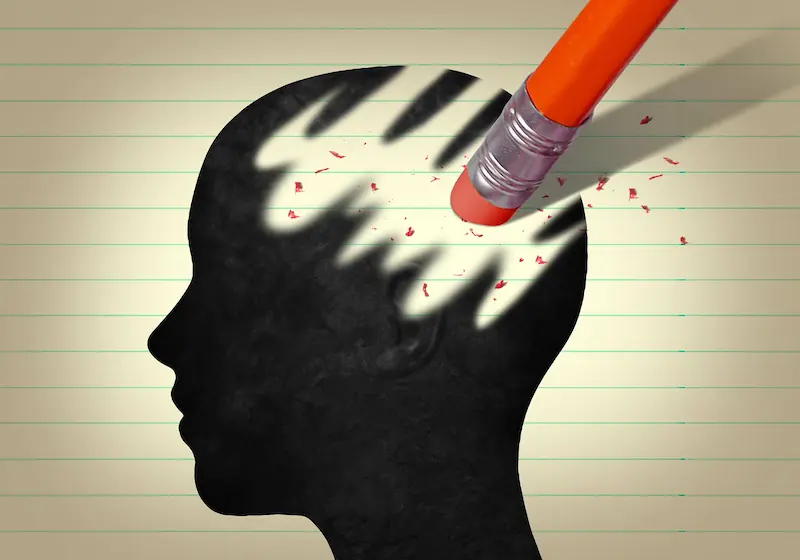
Memory techniques help you store and retrieve knowledge efficiently. Good memory skills reduce frustration and make learning more enjoyable.
Ways to improve memory:
- Use repetition and spaced learning.
- Create mnemonics or memory aids.
- Visualize information using charts or diagrams.
Example: To memorize historical dates, associate each year with a visual story or image in your mind.
6. Adaptability and Curiosity
Learning requires flexibility. Adaptability allows you to adjust to new information, methods, or challenges. Curiosity drives you to explore and seek knowledge beyond the basics.
How to develop adaptability and curiosity:
- Try new learning techniques or tools.
- Explore topics outside your comfort zone.
- Ask open-ended questions to deepen understanding.
Example: If a traditional textbook isn’t helping you understand physics, try online videos, simulations, or interactive apps.
7. Self-Motivation and Discipline
Learning consistently requires inner drive. Self-motivation and discipline ensure that you stay on track even when tasks feel difficult or boring.
How to boost self-motivation:
- Set clear, achievable goals.
- Break tasks into small, rewarding steps.
- Celebrate milestones to maintain momentum.
Example: Completing 30 minutes of daily coding practice may seem small, but over time it builds substantial skill.
You may also like to read this:
Understanding Basic Learning Concepts For Everyone
Learning Basics For Beginners – Start Your Journey Today
Learning Basics Explained: Master Effective Learning Today
Introduction To Learning: Tips For Lifelong Learning
How to Develop Fundamental Learning Skills
Improving your fundamental learning skills is a gradual process. Here’s a step-by-step approach:
- Set Clear Goals – Know what you want to achieve and why.
- Engage in Active Learning – Don’t just read or listen; interact with the material through notes, discussions, or teaching.
- Practice Regularly – Skills improve with consistent practice, even for 15–30 minutes a day.
- Reflect on Your Learning – Regularly review what worked and what didn’t.
- Seek Feedback – Ask mentors, peers, or teachers for constructive input.
- Experiment with Different Techniques – Try mind maps, flashcards, or digital learning apps to find what suits you best.
Benefits of Strong Fundamental Learning Skills
Developing these skills comes with numerous advantages:
- Faster Learning: You grasp new concepts more quickly.
- Better Retention: You remember information for longer.
- Improved Problem-Solving: You tackle challenges more effectively.
- Higher Adaptability: You can adjust to new environments, jobs, or technologies.
- Greater Confidence: You feel more capable in learning and applying new knowledge.
Conclusion
Fundamental learning skills are more than just academic tools—they are life skills. By focusing on critical thinking, communication, problem-solving, memory, adaptability, and self-motivation, you create a strong foundation for lifelong learning.
Start practicing today, even in small steps, and watch how your ability to learn, grow, and succeed transforms. Remember, the best learners aren’t those who know everything—they are those who know how to learn effectively.
FAQs About Fundamental Learning Skills
1. What are fundamental learning skills?
Fundamental learning skills are the core abilities that help you learn effectively. They include critical thinking, problem-solving, memory, time management, communication, adaptability, and self-motivation. These skills act as the foundation for lifelong learning.
2. Why are fundamental learning skills important?
These skills make learning easier, faster, and more effective. They help you retain information, solve problems, communicate ideas, and adapt to new situations. Strong fundamental skills are essential for academic success, career growth, and personal development.
3. Can anyone develop fundamental learning skills?
Yes! These skills are not innate—they can be learned and improved with consistent practice, reflection, and the right strategies. Even small daily habits can make a significant difference over time.
4. How can I improve my critical thinking skills?
To improve critical thinking:
Ask questions about what you read or hear.
Analyze information from multiple perspectives.
Reflect on your own assumptions and biases.
Practice evaluating evidence before making decisions.
5. What are some techniques to improve memory and retention?
Effective memory techniques include:
Using mnemonic devices.
Practicing spaced repetition.
Creating visual aids like charts or diagrams.
Summarizing information in your own words.